
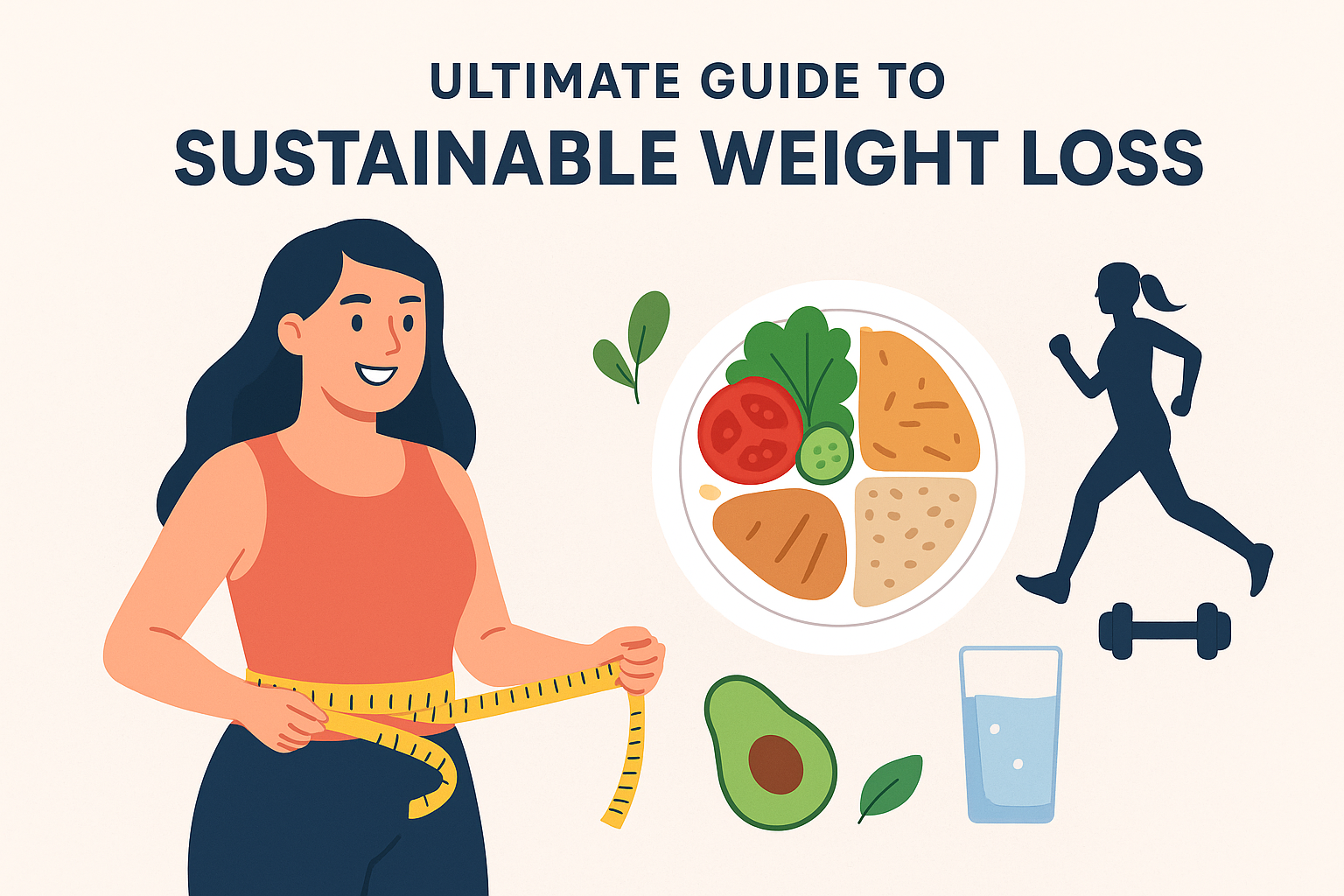
Weight loss continues to be one of the most searched topics worldwide, yet millions struggle to achieve long-term success. Crash diets, extreme workouts, and risky shortcuts often lead to temporary results followed by frustration and weight regain. The truth is that sustainable weight loss is a science, and with the right approach, anyone can achieve a healthier body—naturally and permanently.
This comprehensive guide breaks down the best weight-loss strategies, expert-approved diet plans, smart workout techniques, and real lifestyle changes that help burn fat, build metabolism, and improve overall well-being. Whether you’re just starting your journey or looking to enhance your results, this article gives you everything you need to succeed.
What Is Sustainable Weight Loss?
Sustainable weight loss means losing fat in a healthy, steady manner and maintaining it long term. Unlike fad diets, sustainable weight management focuses on:
- Balanced nutrition
- Increased physical activity
- Better sleep and reduced stress
- Improved metabolism
- Long-term lifestyle habits
Research shows that losing 0.5 to 1 kg per week is the safest and most effective pace for long-term success.
Why Weight Loss Matters for Your Health
Losing excess weight does much more than improve how you look. It significantly enhances overall health. Key benefits include:
✔ Improved heart health
Reducing belly fat helps lower cholesterol and blood pressure.
✔ Better blood sugar control
Weight loss supports insulin sensitivity and reduces the risk of type 2 diabetes.
✔ Reduced joint pain
Less weight means less pressure on knees, hips, and spine.
✔ Higher energy levels
Healthy foods and improved sleep increase daily productivity.
✔ Better mental health
Exercise and proper nutrition enhance mood, reduce stress, and boost confidence.
1. The Best Diet Strategies for Weight Loss in 2025
There is no one-size-fits-all diet, but the following scientifically supported eating patterns work effectively for most people.
1.1 Calorie Deficit: The Foundation of Weight Loss
The most important rule is:
You must burn more calories than you consume.
This doesn’t mean starving. It means:
- Eating nutrient-dense foods
- Reducing unhealthy calories
- Increasing daily activity
A moderate deficit of 300–500 calories per day supports stable fat burning.
1.2 High-Protein Diet
Protein reduces hunger, boosts metabolism, and supports lean muscle.
Include foods like:
- Eggs
- Chicken breast
- Greek yogurt
- Tofu
- Fish
- Lentils and beans
Aim for 1.2–1.6 g of protein per kg body weight.
1.3 Low-Carb or Keto Diet
This approach reduces carbohydrates and increases fats, forcing the body to burn stored fat.
Benefits include:
- Faster fat loss
- Appetite suppression
- Stabilized blood sugar
Great low-carb foods:
- Avocado
- Nuts
- Seeds
- Eggs
- Non-starchy vegetables
1.4 Mediterranean Diet
One of the healthiest diets in the world, rich in:
- Olive oil
- Whole grains
- Fruits
- Vegetables
- Lean meats
- Healthy fats
It promotes long-term weight management and heart health.
1.5 Intermittent Fasting
Intermittent fasting (IF) controls when you eat rather than what you eat.
Popular methods:
- 16/8 method (fast 16 hours, eat in 8-hour window)
- 5:2 diet
IF supports:
- Fat burning
- Better digestion
- Controlled cravings
2. The Best Foods for Natural Weight Loss
High-quality nutrition is essential. Add these foods daily:
1. Green leafy vegetables – low calorie, high fiber
2. Lean protein sources – keeps you full
3. Whole grains – steady energy release
4. Healthy fats – improve metabolism
5. Spices like turmeric, black pepper & ginger – boost digestion
6. Berries and citrus fruits – rich in antioxidants
7. Green tea & matcha – proven fat-burning benefits
Avoid processed foods, sugary snacks, alcohol, and deep-fried items.
3. Smart Exercise Strategies to Speed Up Weight Loss
Exercise not only burns calories but also improves metabolism, muscle strength, and mental health.
3.1 Strength Training
Building muscle increases the number of calories you burn at rest.
Focus on:
- Squats
- Push-ups
- Deadlifts
- Lunges
- Dumbbell workouts
2–3 sessions per week is ideal.
3.2 Cardio Training
Effective options include:
- Walking
- Running
- Cycling
- Swimming
Aim for 150–300 minutes per week.
3.3 High-Intensity Interval Training (HIIT)
HIIT alternates short bursts of intense exercise with rest periods.
Benefits include:
- Quick fat burning
- Increased stamina
- Improved metabolism
Even 20 minutes of HIIT can be highly effective.
3.4 Daily Movement Matters
Small actions make a big difference:
- Taking the stairs
- Doing 10–12k steps daily
- Stretching every hour
4. Lifestyle Habits That Accelerate Weight Loss
Diet and exercise alone are not enough. Healthy habits play a major role.
4.1 Hydration
Drink 2.5–3 liters of water daily.
Benefits:
- Reduced hunger
- Improved digestion
- Faster metabolism
4.2 Quality Sleep
Poor sleep increases hunger hormones like ghrelin.
Aim for 7–8 hours per night.
4.3 Stress Management
Stress causes emotional eating and fat storage.
Reduce stress through:
- Meditation
- Yoga
- Deep breathing
- Walking
- Music therapy
4.4 Tracking Your Progress
Use:
- Fitness apps
- Smartwatches
- Food journals
Tracking keeps you motivated and accountable.
5. Common Weight Loss Mistakes to Avoid
To achieve long-term success, avoid these pitfalls:
❌ Skipping meals
❌ Depending on crash diets
❌ Eliminating all carbs
❌ Overexercising
❌ Sleeping too little
❌ Unrealistic expectations
❌ Relying only on supplements
Weight loss should be balanced and strategic.
6. Do Weight Loss Supplements Help?
Some supplements support metabolism and appetite control, but they should not replace diet or exercise.
Useful natural ingredients include:
- Green tea extract
- Garcinia cambogia
- Apple cider vinegar
- CLA
- L-carnitine
- Chromium picolinate
Always choose high-quality products, and consult a doctor if needed.
7. Sample 7-Day Weight Loss Diet Plan
Day 1
- Breakfast: Oats + berries
- Lunch: Grilled chicken + salad
- Dinner: Vegetable soup + brown rice
Day 2
- Breakfast: Smoothie bowl
- Lunch: Tuna salad
- Dinner: Dal + roti + vegetables
Day 3
- Breakfast: Eggs + avocado
- Lunch: Millet khichdi
- Dinner: Grilled fish + veggies
…and continue similarly with balanced meals.
8. Frequently Asked Questions
1. How fast can I lose weight safely?
0.5–1 kg per week is ideal.
2. What is the most effective way to burn belly fat?
Combine a calorie deficit, strength training, and better sleep.
3. Does walking help with weight loss?
Yes—10,000 steps daily can significantly improve fat loss.
4. Can I lose weight without going to the gym?
Absolutely. Home workouts, walking, and clean eating are enough.
Conclusion: Weight Loss Is a Journey, Not a Race
Sustainable weight loss is achievable when you combine smart nutrition, regular exercise, and healthy lifestyle habits. Instead of following short-term trends, focus on long-term solutions that improve your health, energy, confidence, and overall quality of life.
Remember—every healthy choice you make today moves you closer to your goal. Start small, stay consistent, and trust the process.